Available for full-time work
Custom Web Development & High-Performance Website Creation.
Specialized in custom website creation, full-stack web applications, and scalable backend architecture. Building high-performance web systems with React, Next.js, Laravel, and Go that scale seamlessly.
Selected projects
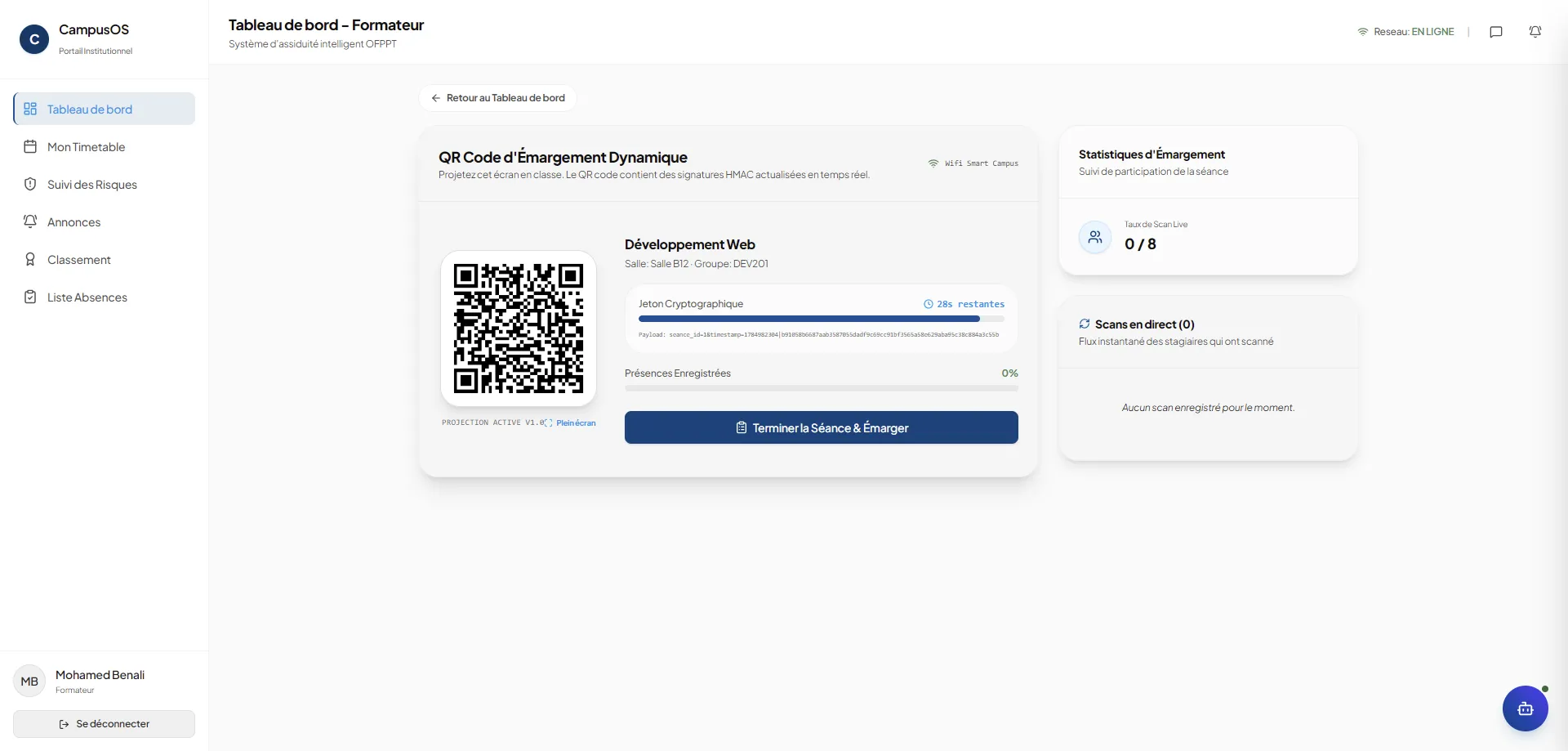
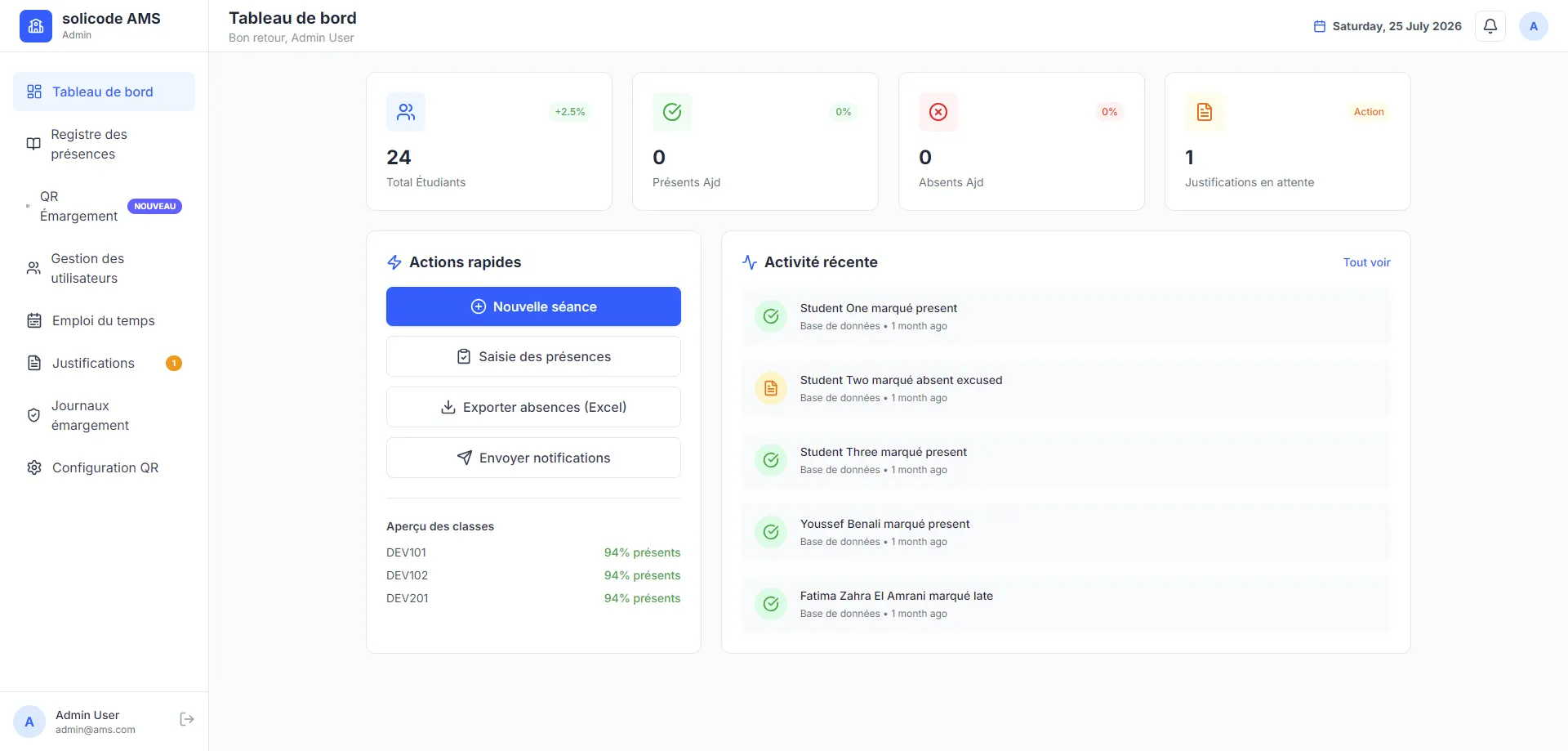
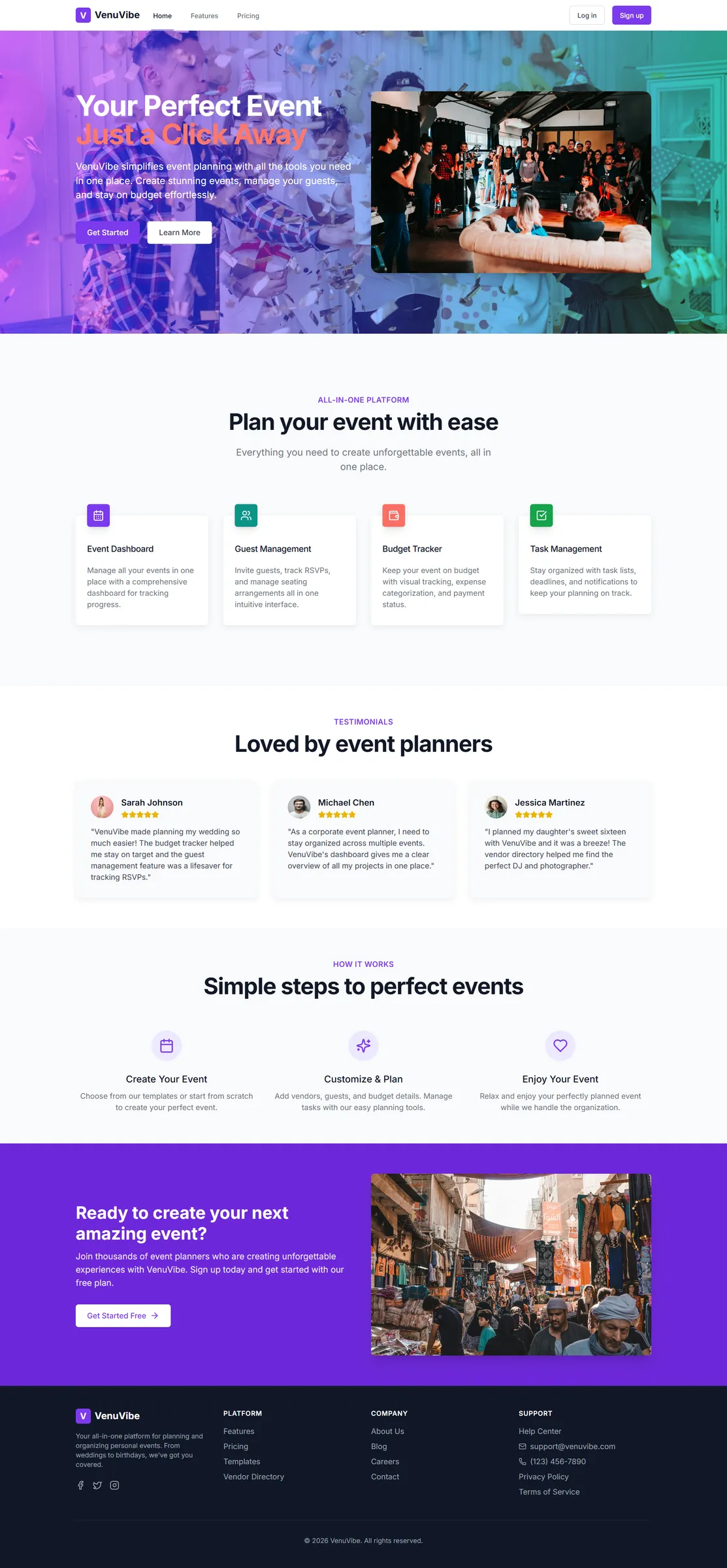
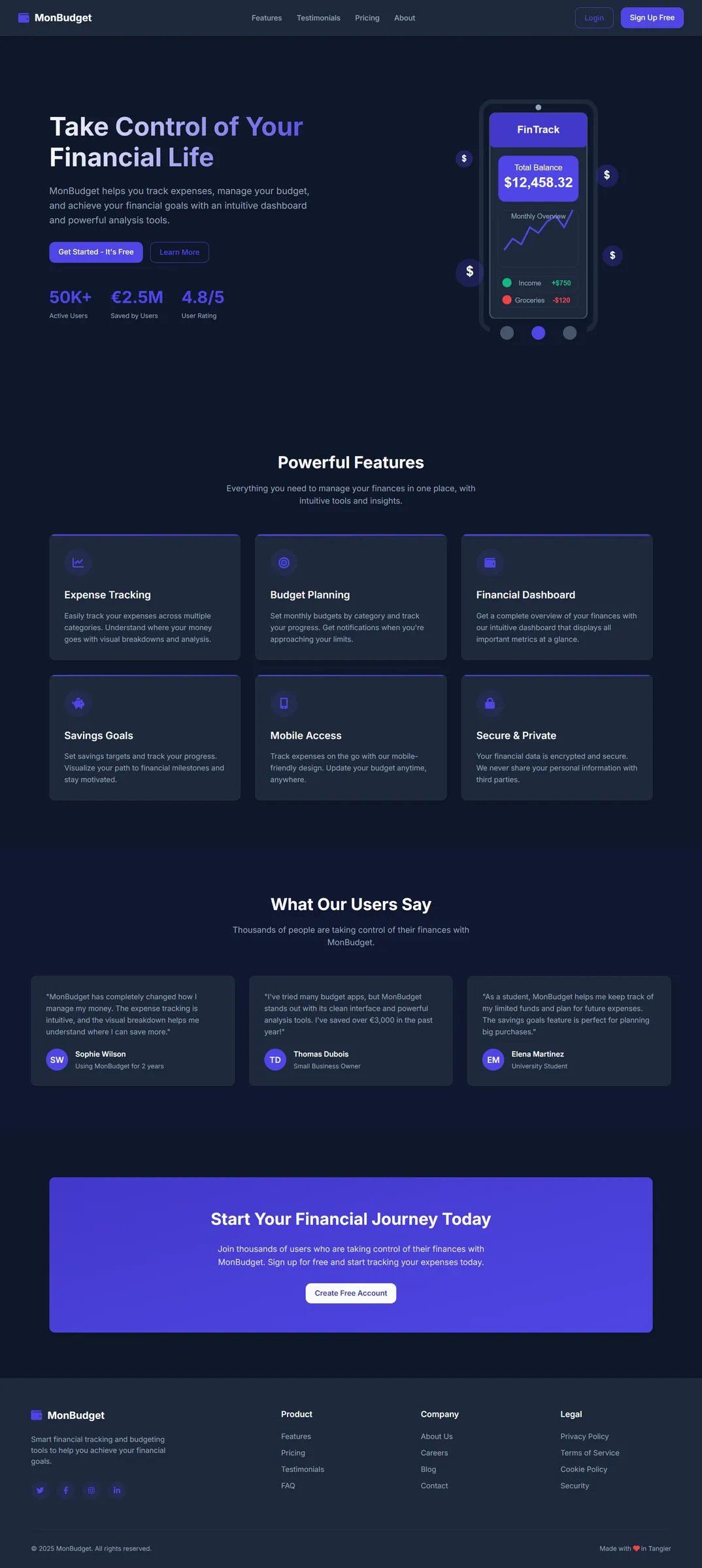
About
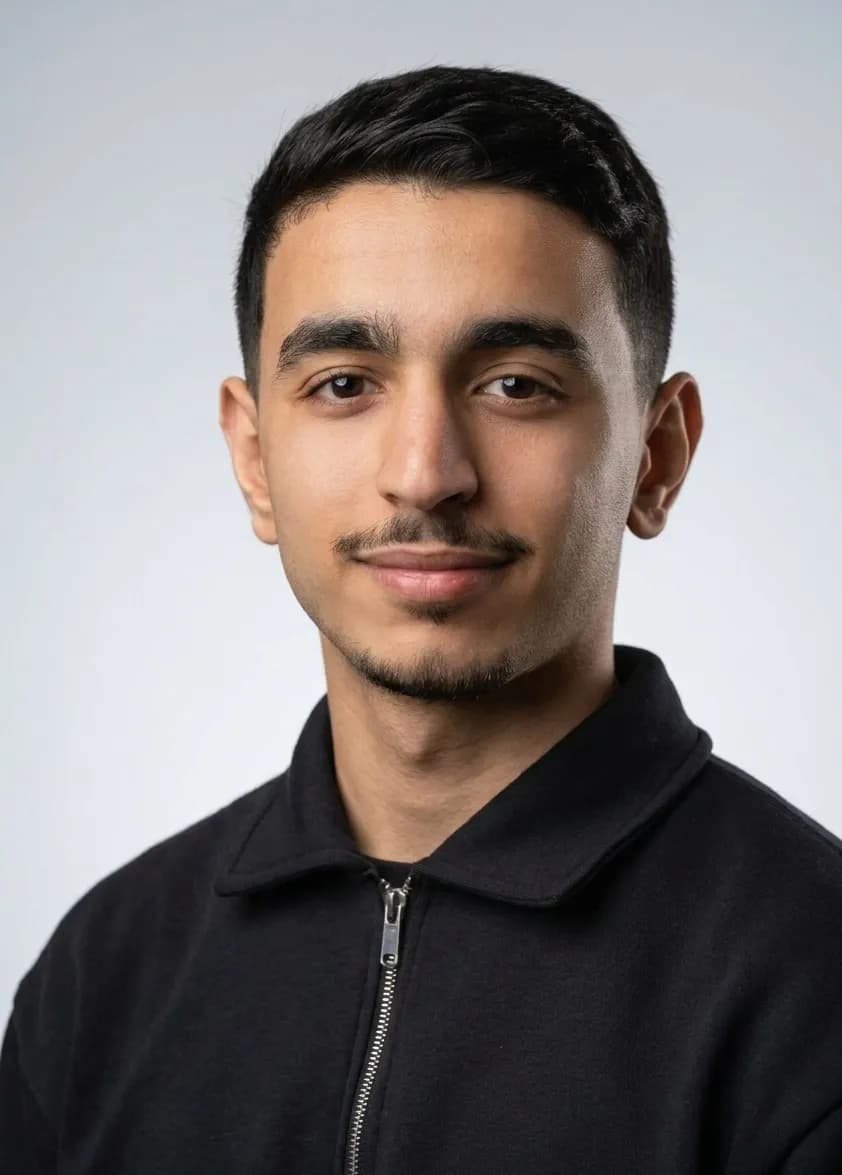
I'm a full-stack developer based in Tangier. Most of the work I take on has real consequences attached — someone's attendance record, someone's exam eligibility, someone's risk score. That's a different kind of responsibility than shipping another feature nobody depends on.
When a system decides whether someone gets to sit an exam, correct beats clever every time. I don't start with the interface. I start with the data model, map out every failure mode, and only build the front end once I trust what's underneath it.
Working remotely for a team abroad changed how I write code. I couldn't explain decisions in person; the commit history had to speak for me across time zones and language barriers. I still write that way today — for whoever opens the file next.
Backend is where I stay longest because that's where mistakes compound. You can redesign an interface in an afternoon, but you live with a broken schema for years. It's the same reason I run AI on infrastructure I control rather than calling an external API — keeping sensitive data in-house is non-negotiable, even if response times are slightly slower.
I've chosen correctness over speed more than once. I'd rather hand you four systems I can explain line by line than twenty I'd rather not open again.
- Based in
- Tangier, Morocco
- Focus
- Backend architecture, full-stack delivery
- Currently
- Open to new roles
Journey
How I got here.
Where I studied, what I built, and where I worked — oldest first.
- 2023Education
Baccalauréat, Physics and Chemistry
Lycée Anoual · Tangier, Morocco
Moroccan National Baccalaureate, specialising in advanced mathematics and the physical sciences.
- Mathematics
- Physics
- Chemistry
- 2024Education
Web Development — dual Simplon & OFPPT certification
SOLICODE — Centre de Solidarité Numérique · Tangier, Morocco
A full development lifecycle under an active-pedagogy model, from UI/UX design through to back-end systems.
- PHP (OOP)
- React
- JavaScript (ES6)
- 2025Role
Backend & Automation Developer (Internship, remote)
Pragmatic Minds GmbH · Kirchheim unter Teck, Germany
Architected and shipped a suite of Mattermost plugins and Go microservices automating the company's HR processes.
- Go
- Docker
- PostgreSQL
- 2025Education
Mobile & Full-Stack Development — dual Simplon & OFPPT certification
SOLICODE — Centre de Solidarité Numérique · Tangier, Morocco
Advanced specialisation in native Android and enterprise web architecture, with DevOps, automated testing and server administration.
- Kotlin
- Jetpack Compose
- Android Studio
- 2026Role
Full Stack & AI Developer
Mooroot · Tangier, Morocco
End-to-end feature development and AI integration for a document platform that converts Markdown into branded presentations.
- Laravel
- PHP
- Tailwind CSS
- NextOutlook
Backend depth, and a team to build with
Looking for a full-stack or back-end role where code quality and durable architecture matter, and where I can bring what I have built around testing and API design.
Evidence
What the work adds up to.
A hackathon win, shipped integrations, a tested codebase — plus the credentials, languages and stack behind them.
Production integrations shipped
Mattermost plugins automating HR operations at Pragmatic Minds
Automated tests written
61 PHPUnit tests on AttendanceFlow, 69 on CampusOS
Languages
- ArabicNative
- EnglishB2/C1 — Professional
- FrenchB1 — Intermediate
- GermanB1/B2 — Intermediate
Core Stack & Ecosystem
Ecosystem & Core Technologies
Frequently asked questions
Anything not covered here? Email me at abdelhay.mallouli@gmail.com.
Hiring for a role I'd fit?
I'm open to full-time, contract and freelance work — on-site in Morocco or remote. Happy to walk through any of the case studies in detail.
What kind of work are you looking for?
Full-time, contract, or freelance full-stack roles. I'm finishing an internship at Mooroot in Tangier and open to on-site work in Morocco or remote work with teams elsewhere. I've already completed a remote engagement with a company in Germany, so the working model is proven, not theoretical.
Where are you based, and how does that work across time zones?
Tangier, Morocco — UTC+1, the same hour as Berlin and Paris for most of the year, and one ahead of London. During my internship with Pragmatic Minds in Kirchheim unter Teck, I worked the full German business day with no scheduling friction.
What does your stack actually look like in production?
Laravel and PHP for most backend work. Go where a service needs to be small and fast. React with TypeScript on the front end, usually over Inertia or Next.js. Around that: MySQL and PostgreSQL, Docker, GitHub Actions, and Tailwind. CampusOS and AttendanceFlow are both documented in full on this site if you want to see it in practice.
How do you approach a system you've never seen before?
I want the data model, the boundaries, and the failure modes before I want the feature list. Clean layering only pays off when it's decided early rather than patched in afterwards, so expect me to spend the first days reading migrations and tracing a request end to end, rather than shipping something that has to be unpicked later.
Do you write tests, or is that a stated preference?
I write them. AttendanceFlow has 61 PHPUnit tests and CampusOS has 69, with dedicated coverage for the parts that would be dangerous to get wrong: token forgery and expiry, geofence boundaries, subnet matching, score aggregation. TDD is how I verify a feature is correct — not a coverage number I chase afterwards.
How do you handle security and data protection?
RBAC, OAuth2, and GDPR-aware data handling belong in the same commit as the feature they protect, not a hardening pass before launch. On CampusOS that meant keeping the entire AI inference path on-premise, with Ollama and Mistral running locally, so regulated student data never left the campus network. Slower answers, in exchange for data residency — that trade-off wasn't close.
What's the fastest way to reach you?
Email: abdelhay.mallouli@gmail.com. I answer within two days. If it's easier to talk it through, my CV and LinkedIn are linked at the top of this page, and I'm happy to walk you through any of the case studies in more detail.